

 English
 Español
 عربي
 Русский
 한국인
 Português
 Türkçe
 Français
 German
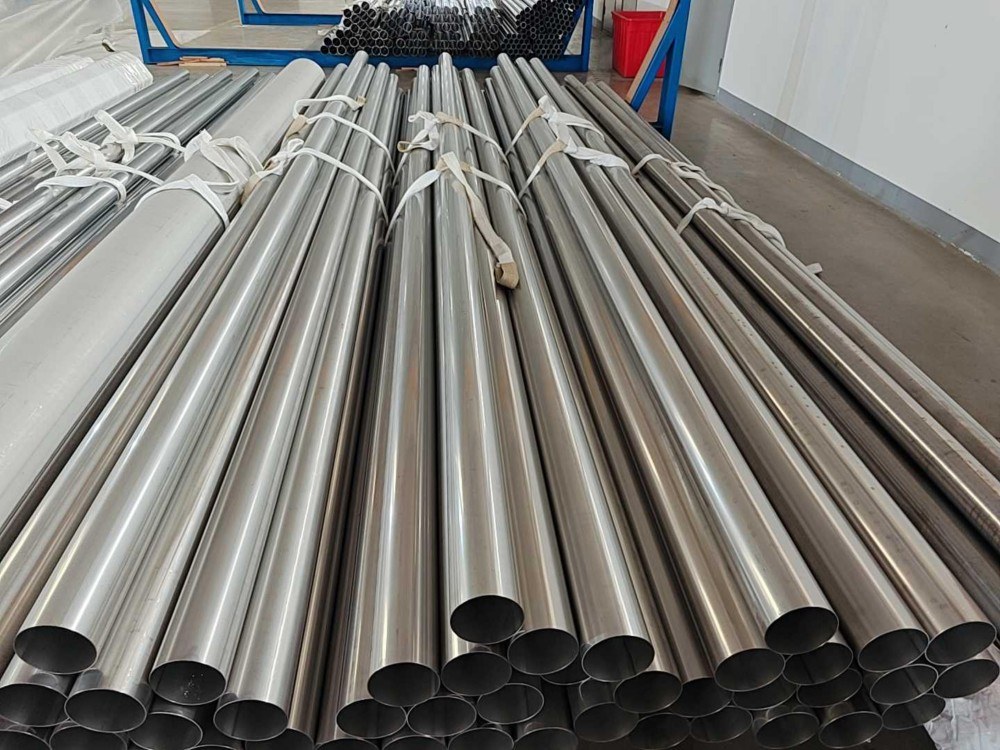
Inconel 625 and Incoloy 825 are two high-performance nickel alloys widely used in industry, but they are often confused due to their similar names. This article will compare the key differences between these two materials in terms of chemical composition, core properties, and application scenarios, providing engineers and purchasing personnel with a clear material selection reference.
Fundamental Differences in Chemical Composition
Inconel 625 (UNS N06625) is a nickel-chromium-molybdenum alloy, with a nickel content typically above 58%. The key strengthening elements are molybdenum (Mo) and niobium (Nb), and this composition design gives it excellent strength and toughness at high temperatures.
In contrast, Incoloy 825 (UNS N08825) is a nickel-iron-chromium alloy, with a significantly higher iron (Fe) content than 625, while its nickel content is relatively low (typically 38-46%). Inconel 625 incorporates molybdenum (Mo), copper (Cu), and titanium (Ti) in its formulation to optimize its resistance to specific corrosive media. In essence, Inconel 625 prioritizes strength and high-temperature performance, while Incoloy 825 focuses on handling specific acidic corrosive environments.
Per saperne di più [English]
www.mtscomaxtech.com/inconel-alloy-625-vs-incoloy-alloy-825_newsview413.html