

 Español
 عربي
عربي Русский
 한국인
한국인 Português
 Türkçe
 Italiano
 Français
 German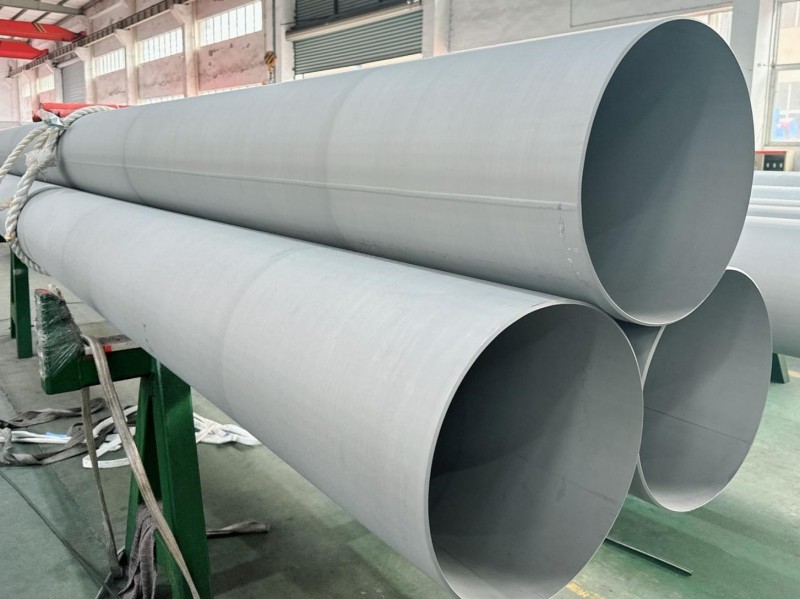
--A Comparative Guide to Welding Processes, Applications, and Costs
Learn the key differences between EFW (fusion) and ERW (resistance) welded pipes. Our guide compares welding methods, costs, and applications for optimal industrial piping selection.
In industrial piping systems, EFW and ERW represent two primary welding types. A thorough understanding of their differences facilitates proper material selection for projects, achieving an optimal balance between cost and performance.
What is ERW Pipe?
ERW is a resistance welding process that does not require filler metal. Its core characteristics include high production speed and cost-effectiveness. It utilizes the resistive heat generated by high-frequency current to melt the edges of steel strips, which are then formed through pressure welding.
What is EFW Pipe?
EFW is a fusion welding process, typically submerged arc welding (SAW). The weld is formed by an arc burning beneath a flux layer, using the arc's heat to melt the filler wire (filler metal) and the edges of the base metal. This process yields exceptionally high weld quality, making it ideal for manufacturing large-diameter, thick-walled steel pipes capable of withstanding demanding operating conditions.
Key Differences Comparison
Welding Principle: ERW is pressure welding without filler metal. EFW is fusion welding requiring filler metal.
Production Efficiency & Cost: ERW offers high production efficiency and low cost.
Dimension & Wall Thickness Range: ERW primarily serves medium-thin walls and small-to-medium diameters. EFW excels in producing extremely thick walls and large diameters.
Application Fields: ERW is widely used in general-purpose applications like medium-to-low pressure fluid conveyance. EFW is suitable for high-pressure, high-temperature, and high-strength environments.
Conclusion
Accurately understanding the core differences between ERW and EFW pipes is the first step in ensuring the safe and reliable operation of pipeline systems. At MTSCO, we not only provide specialised technical expertise but also leverage our strategically invested HUXIN factory, with its 35 years of manufacturing experience, to offer you a comprehensive range of high-performance welded pipes spanning austenitic, duplex steels to nickel alloys. Through rigorous triple-tier quality inspection protocols, 100% radiographic testing, and a comprehensive traceability system, we guarantee every welded pipe leaving our premises meets the highest quality standards. As a supplier centred on our “factory cluster” model, MTSCO is committed to delivering pipeline solutions that combine cost-effectiveness with exceptional performance.