

 Español
 عربي
عربي Русский
 한국인
한국인 Português
 Türkçe
 Italiano
 Français
 German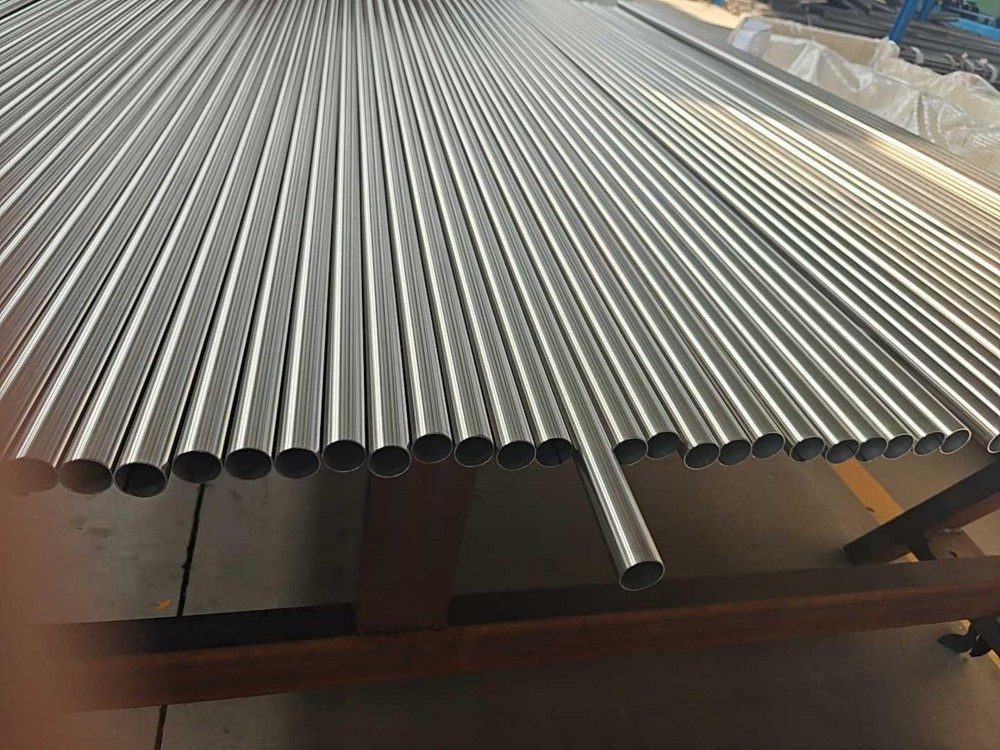
--A Guide to Composition, Properties & Uses
Explore the technical data of Inconel 625 (UNS N06625). This guide covers its chemical composition, key properties, and common industrial applications.
Inconel 625, also known as Nickel Alloy 625 or UNS N06625, is a widely used, high-performance nickel-based corrosion-resistant alloy. This article aims to outline its key technical data, including chemical composition, core properties, and typical applications, providing professional reference information for materials engineers and purchasing personnel.
Inconel 625 Nickel Alloy 625 Chemical Composition and Element Roles
The superior performance of Inconel 625 alloy stems from its unique chemical composition design. The main elements include nickel (Ni), chromium (Cr), molybdenum (Mo), and niobium (Nb). Nickel is the foundation of the alloy, providing excellent corrosion resistance and high-temperature stability. The synergistic effect of chromium and molybdenum endows the alloy with outstanding corrosion resistance in both oxidizing and non-oxidizing environments, especially effective against pitting and crevice corrosion. Niobium and molybdenum work together in the austenitic matrix, significantly improving the alloy's strength and toughness through solid solution strengthening without requiring specialized age-hardening heat treatment. This allows it to maintain excellent mechanical properties even after manufacturing and welding.
Core Performance Characteristics
Inconel 625 alloy is renowned for its comprehensive performance, exhibiting outstanding characteristics in harsh industrial environments. Its key performance features include:
1. High Strength and Fatigue Resistance: The alloy maintains excellent tensile strength, creep strength, and fatigue strength over a high-temperature range from low temperatures to approximately 816°C (1500°F).
2. Excellent Corrosion Resistance: It exhibits strong resistance to a variety of corrosive media, including resistance to chloride stress corrosion cracking, seawater corrosion, and various acidic media such as phosphoric acid, sulfuric acid, nitric acid, and hydrochloric acid.
3. Excellent Machinability and Weldability: The alloy possesses good formability and weldability, allowing for connections using various conventional welding processes with minimal post-weld cracking.
The specific mechanical properties of Inconel 625 vary depending on the product form (e.g., sheet, tube, bar) and heat treatment state, and generally conform to relevant international standards such as ASTM B443 (sheet) and ASTM B444 (seamless tube).
Typical Industrial Applications
Inconel 625 alloy, through its unique compositional design, achieves a perfect combination of high strength, excellent machinability, and broad corrosion resistance, making it a reliable material choice for tackling complex engineering challenges.
In the aerospace industry, it is used to manufacture engine exhaust systems, turbine shrouds, and piping systems.
In the chemical processing industry, it is often used as reactors, heat exchangers, and valves for handling mixed acidic media.
In marine engineering, its resistance to seawater and salt spray corrosion makes it ideal for manufacturing subsea pipelines, propeller blades, and fasteners.
In the oil and gas, nuclear industries, and pollution control equipment (such as flue gas desulfurization systems), Inconel 625 is also a key material for addressing corrosion and high-temperature challenges.