

 Español
 عربي
 Русский
 한국인
 Português
 Türkçe
 Italiano
 Français
 German
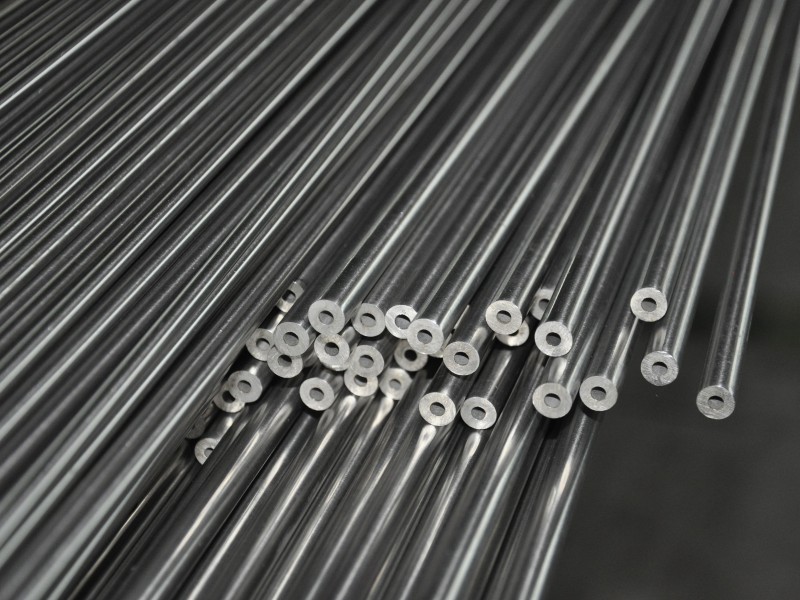
Discover why Incoloy 825 (UNS N08825) condenser tubes excel in harsh chemical and marine environments, offering superior corrosion resistance and durability.
When a condenser simultaneously faces acidic media, chloride ions, and temperature variations, ordinary austenitic stainless steel may struggle to cope. Incoloy 825 (UNS N08825) is a nickel-iron-chromium-molybdenum-copper alloy with a wide corrosion resistance range and good mechanical properties. Therefore, it is often used to make condenser tubes for use in chemical, acid treatment, oil and gas, and seawater heat exchange equipment.
Why can Alloy 825 handle complex media?
What standards should be considered for condenser tubes?
UNS N08825 seamless condenser tubes and heat exchanger tubes can be made according to ASTM B163; seamless pipes and tubes for general corrosive conditions commonly use ASTM B423. Manufacturing typically involves cold working, annealing, straightening, and finishing. For heat exchanger tubes, control of outer diameter, wall thickness uniformity, straightness, and surface scratches is particularly important, as these details directly affect tube insertion, expansion, or welding.
Alloy 825 is commonly used in acid coolers, chemical condensers, seawater heat exchangers, oil and gas processing, and pollution control systems. Actual selection requires verification of the type and concentration of acid, chloride ion level, temperature, and flow rate. Scale buildup cannot be ignored: deposits can alter local temperature and medium concentration, amplifying the risk of crevice corrosion. Material, wall thickness, tube sheet matching, and cleaning frequency must be considered together to maximize the long-term value of this alloy.