

 Español
 عربي
عربي Русский
 한국인
한국인 Português
 Türkçe
 Italiano
 Français
 German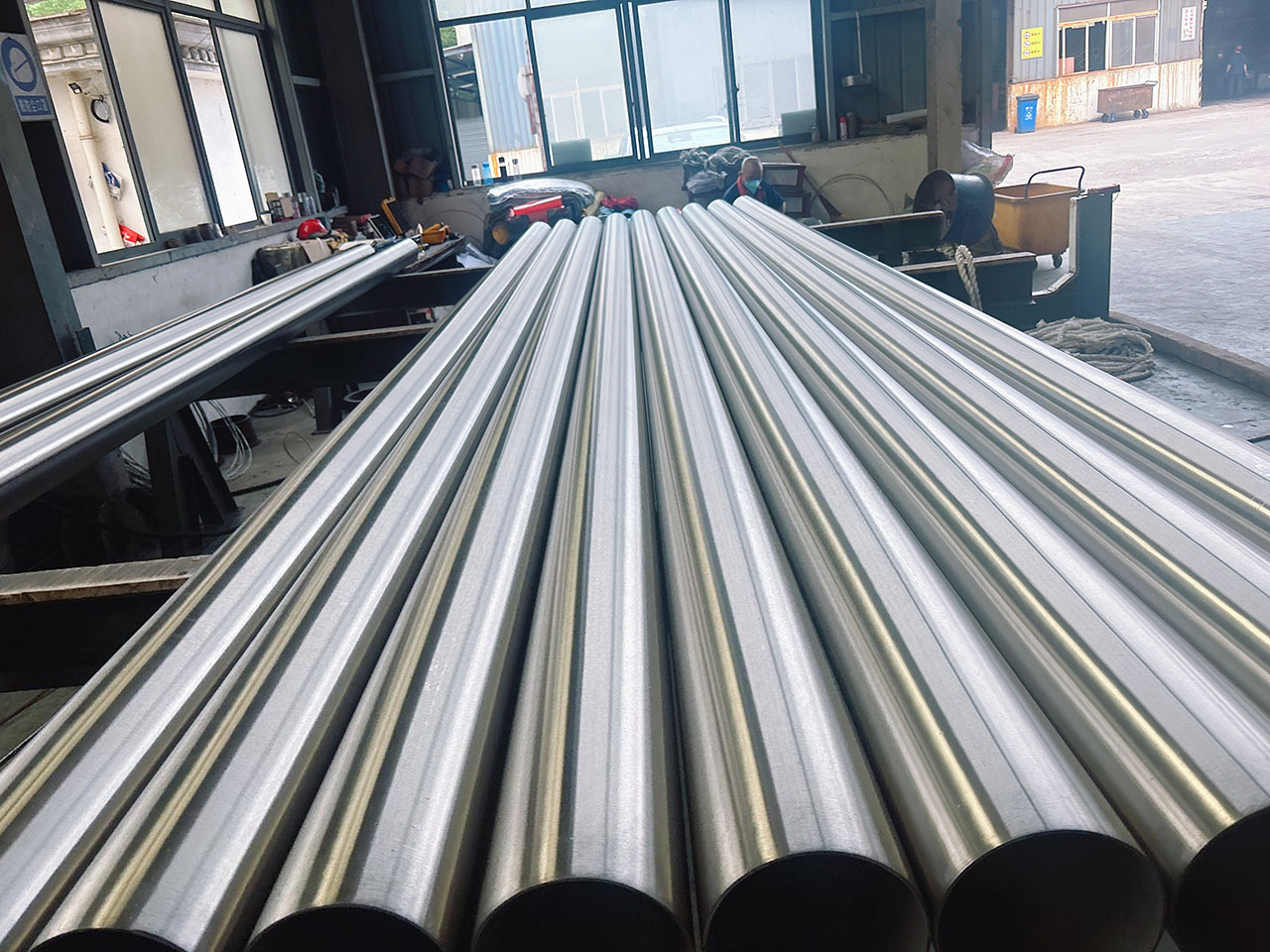
--Choosing the right process for your application
Explore the differences between seamless and welded Inconel 718 tubing. Learn its core properties and how to select the best option for your application.
Inconel 718 nickel-based alloy tubing plays a crucial role in harsh industrial environments such as aerospace and oil and gas extraction due to its superior high-temperature strength and corrosion resistance. Understanding the manufacturing differences, performance characteristics, and applicable scenarios of its two main forms, seamless and welded tubing, is an important prerequisite for ensuring system safety and economy.
Core Properties of Inconel 718 Alloy
Inconel 718, also known as UNS N07718, is a precipitation-hardening nickel-chromium-iron alloy containing significant amounts of niobium and molybdenum. This unique chemical composition allows it to maintain excellent mechanical strength, creep resistance, and fracture toughness at temperatures up to 700°C. Simultaneously, it exhibits excellent resistance to a variety of corrosive media, including oxidizing and reducing environments, making it an ideal material for extreme working conditions.
What is Welded Pipe?
Welded pipe is made by rolling alloy plates or strips into a tubular shape and then welding the seams together using advanced welding processes such as gas shielded tungsten inert gas welding (GTAW/TIG). Modern welding technology, rigorous post-weld heat treatment, and non-destructive testing ensure that the performance of the weld area is very close to that of the base material. The advantages of welded pipe include better control over wall thickness uniformity, relatively lower production costs, and the ability to produce products with larger diameters and longer lengths.
What is Seamless Pipe?
Seamless pipe is made from solid round billets through processes such as piercing, hot rolling, cold drawing, or cold rolling, resulting in a pipe body without any weld seams. This integrated structure gives it extremely high pressure resistance and structural uniformity, eliminating potential weak points that may exist in weld areas. Therefore, seamless pipe is often the preferred choice in critical applications requiring extreme pressure, high temperatures, or cyclic loads, such as aircraft engine fuel systems, high-pressure hydraulic lines, and downhole tools.
How to Choose Between Seamless and Welded Pipe?
The choice between seamless and welded pipe depends primarily on specific application requirements and cost considerations. In applications with less stringent pressure and temperature requirements, high-quality welded pipe is a more economical and practical choice due to its cost-effectiveness and dimensional flexibility, such as in some structural components or low- to medium-pressure fluid transport systems. For operating conditions with extremely demanding design pressures and temperatures, seamless pipe offers greater safety due to its inherent structural integrity. In certain highly corrosive environments, seamless pipe is also favored because it avoids the risk of preferential corrosion at the weld seam.
Inconel 718 seamless and welded pipes each have their unique manufacturing processes and performance advantages. Engineering designers and material procurement personnel should make the most appropriate choice based on a comprehensive assessment of application conditions, safety standards, and project budgets to achieve the best balance between performance, reliability, and economy.