

 Español
 عربي
 Русский
 한국인
 Português
 Türkçe
 Italiano
 Français
 German
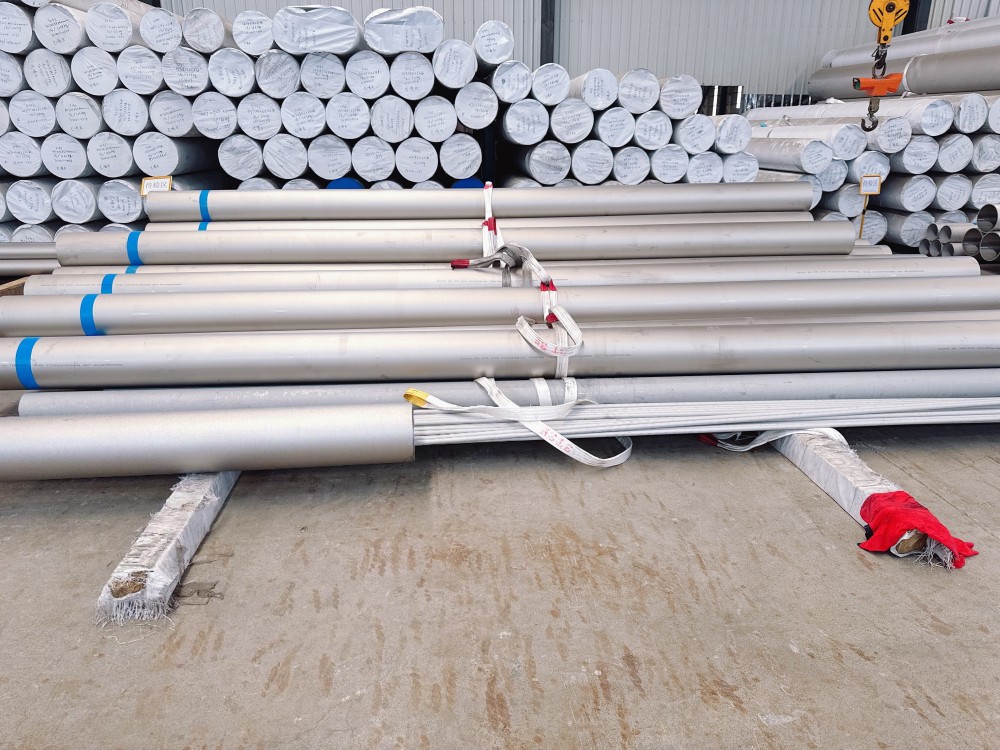
--Selection, Corrosion, and Procurement Guide
Learn ASTM B165 UNS N04400 Monel 400 pipe and tube requirements, corrosion performance, processing, and procurement checks for corrosive service.
ASTM B165 specifies the material, dimensional, and inspection requirements for seamless Pipe and Tube in UNS N04400 (Monel 400). For those involved in design, procurement, and construction, understanding what the standard covers and the conditions to which this alloy is suited will greatly help with selection in corrosive environments such as seawater and chemical processing.
Material and Standard Positioning
Monel 400 is a nickel-copper alloy with nickel as the main element, and it has good strength and ductility. ASTM B165 covers both seamless pipe and tube, which differ in how dimensions are specified and in their applications. Pipe is specified by nominal pipe size and wall thickness schedule, while tube focuses on precise dimensions such as outside diameter and wall thickness. When purchasing, pay attention to this distinction; the standard version, alloy grade, delivery condition, and dimensional tolerances are also factors to consider.
Corrosion Resistance and Application Suitability
UNS N04400 performs well in seawater, neutral salt solutions, alkaline solutions, and various reducing media, and is commonly used in seawater piping, heat exchangers, chemical process lines, and marine engineering components. Whether the medium contains oxygen or is oxidizing, and how great the risk of crevice corrosion and stress corrosion is, must be assessed case by case. Corrosion resistance is affected by medium concentration, temperature, flow rate, aeration state, and impurities, so it cannot be judged by alloy grade alone.
Processing and Procurement Considerations
Monel 400 can be cold worked, hot worked, and welded; different process parameters lead to different microstructures and properties. For piping systems, consider end preparation, length, roundness, wall thickness uniformity, and compatibility with flanges, fittings, and other components. The procurement documents should clearly specify seamless or welded, heat treatment condition, surface quality, non-destructive testing items, material certificate, and traceability information. After delivery, re-measure dimensions, check markings, and review certificates; this will greatly reduce problems during on-site installation.